
Series: Nehemiah | Week 4
Text: Nehemiah
Who we are and where we are can help bring God and people together.
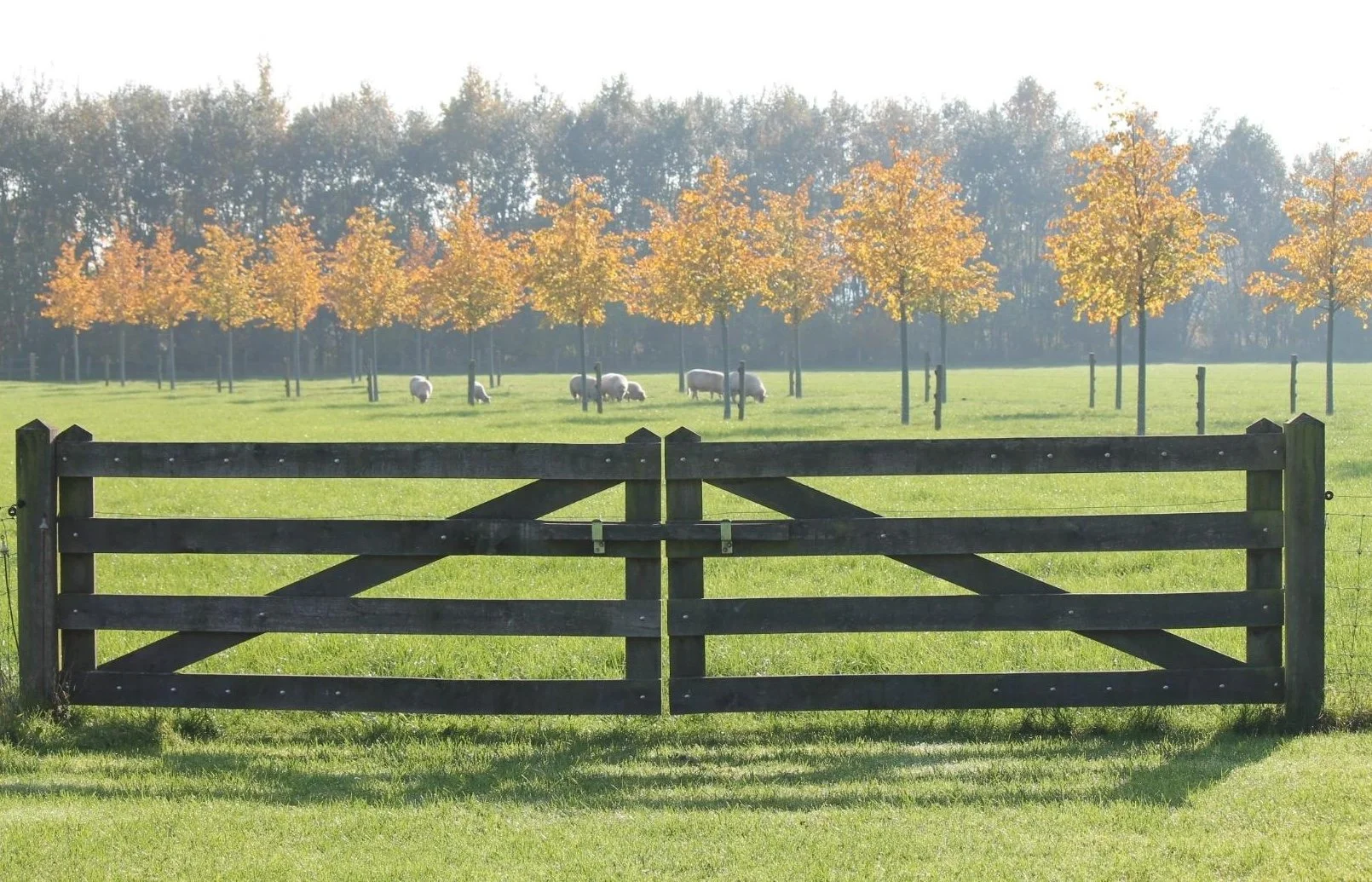
If you were hit by a bus tonight and someone went through your bank statement and your calendar, what would they conclude you were trying to build with your life?
Here’s a thought: The Irish evangelist Gypsy Smith once said, “There are five Gospels: Matthew, Mark, Luke, John, and the Christian, and some people will never read the first four.”
Father Duffy, a Catholic priest, and Reverend Patrick, a Methodist minister from two local churches, stand by the side of the road, feverishly pounding a handmade sign into the ground with a large rock. The sign reads:
The End is Near!
Turn Yourselves Around Before It’s Too Late!
As a car speeds past them, the driver yells out the window, “Leave us alone, you religious freaks!”
From around the bend, the two men hear tires screeching, a crashing sound, and then a big splash.
Reverend Patrick turns to the priest and says, “Do you think our sign should just read ‘Bridge Out’?”
445 years before Christ, the city of Jerusalem sat in desolation, with its walls knocked down and burned and its buildings left in rubble. The Babylonians had first conquered this once-great city, which was then under the domination of King Artaxerxes and the Persian Empire. A Jewish man named Nehemiah had risen to a prominent and trusted position in the king’s palace. As the king’s cupbearer, he enjoyed closeness to the king and other perks reserved for such royal officials. One day, he heard a report about the state of disrepair Jerusalem was in. He knew this was where his ancestors had lived, and the news upset him. After much prayer, Nehemiah asked the king for permission and resources to rebuild the city’s walls. His request was granted, and Nehemiah set out for Jerusalem. In 52 short days, the walls were rebuilt amid opposition and adversity.
Nehemiah 3:28 describes one portion of the mending that was accomplished, “Above the Horse Gate, the priests made repairs, each in front of his own house.” NIV
God calls us to:
Provide a Passage
Represent Him Well
Build Where We Are
Provide a Passage
Nehemiah 3:28: “Above the Horse Gate …”
Along with the walls, there were ten gates around the city of Jerusalem to be rebuilt (from https://jesusplusnothing.com/series/post/nehem3):
Although horses were never very plentiful in Jerusalem, this was a gate by which horses approached and left the old palace of David, which lay north of the temple. When horse riders left Jerusalem to run important errands or to go to battle, they passed through the Horse Gate. From the battlefield, they re-entered the city through this gate. Along with the horse-riding fighters came everything and everyone they had captured in battle. Travellers on horseback would come through this gate to arrive at the temple. This was also the gate where the king’s chariot passed through. Whether the king was leaving the city or visitors were coming to call on him, the Horse Gate provided an important passage for these connections.
Throughout the Bible, the city of Jerusalem is equated with the place where God dwells. The Book of Genesis describes the Lord’s desire to walk with one man in the Garden of Eden, and the Book of Revelation describes the Lord’s desire to dwell with a whole city of people in the New Jerusalem. From Genesis to Revelation, the Bible records the joys and stresses of His relationship with humanity.
Matthew 9:10-13 provides a glimpse of the people that Immanuel – God with us - loved to be with:
10 While Jesus was having dinner at Matthew’s house, many tax collectors and “sinners” came and ate with him and his disciples. 11 When the Pharisees saw this, they asked his disciples, “Why does your teacher eat with tax collectors and ‘sinners’?” 12 On hearing this, Jesus said, “It is not the healthy who need a doctor, but the sick. 13 But go and learn what this means: ‘I desire mercy, not sacrifice.’ For I have not come to call the righteous, but sinners.” NIV
A Pharisee who wants to keep God in His palace and in His city lurks within all our hearts. The name “Pharisee” in its Hebrew form means “separatists”, or “the separated ones”. Yes, we are called to be separate from the ways of this world, but Jesus in us calls us to live amongst those who are held captive by the god of this world. The people you are called to rub shoulders with might make you wince with their language, squirm with their values or even gasp at their body odour. Such relationships create tension in us and in the church, but without this tension our lives individually and collectively become sterile and fruitless.
Is your life providing a passage for Jesus and the people around you that don’t yet know Him to get together?
God calls us to:
Provide a Passage
Represent Him Well
Nehemiah 3:28: “… the priests made repairs.”
History has recorded the best and worst of times for priests who faithfully represented God to the people through selfless service, or who grossly misrepresented Him through pride and greed. The priests and religious leaders gave Jesus the most grief when He ministered publicly. Because of their jealousy of Jesus, they manipulated the Romans into publicly crucifying Him.
What troubles me is that these priests and religious leaders knew their Scriptures backward and forward. They spent years studying God’s Word but remained unchanged by it. Sadly, they used the Scriptures to impress and dominate people rather than to serve and teach.
These priests of Jerusalem during Nehemiah’s time, however, were ready to roll up their sleeves and rebuild the gate and walls when called upon. Setting their egos aside, they got their hands dirty and served faithfully.
You and I can flaunt our godliness and even our Biblical knowledge, or we can simply and humbly live out 1 Peter 2:9-12:
9 But you are a chosen people, a royal priesthood, a holy nation, a people belonging to God, that you may declare the praises of him who called you out of darkness into his wonderful light. 10 Once you were not a people, but now you are the people of God; once you had not received mercy, but now you have received mercy. 11 Dear friends, I urge you, as aliens and strangers in the world, to abstain from sinful desires, which war against your soul. 12 Live such good lives among the pagans that, though they accuse you of doing wrong, they may see your good deeds and glorify God on the day he visits us. NIV
There are people all around us that have thoughts and views about God. Some of these perceptions are based on the Word of God, and most are based on hearsay, media, and experience. When asked what God is like, respondents immediately think of how God has been represented to them – through their parents, through church leaders and through people that identify themselves as followers of Jesus Christ. These perceptions can either welcome seekers into the kingdom of God or push them away.
The Irish evangelist Gypsy Smith (1860-1947) once said, “There are five Gospels: Matthew, Mark, Luke, John, and the Christian, and some people will never read the first four.”
You became a priest when you decided to follow Jesus Christ. Now that you profess faith in Him, the people around you who know you but don’t yet know Jesus are watching you and noting how you represent Him. Your life can shape the perceptions that such people have of God.
You serve the King and benefit others through your good works. You might be misunderstood or even accused of doing wrong, but your service will help to leave others without excuse on the day Christ returns in all His glory.
If people were to describe God by the picture your life paints for them, what would the picture look like?
God calls us to:
Provide a Passage
Represent Him Well
Build Where We Are
Nehemiah 3:28: “… each in front of his own house.”
The work was divided, so that everyone might know what he had to do, and mind it, with a desire to excel; yet without contention, or separate interests. No strife appears among them, but which should do most for the public good. All resident Israelites – the nobility and the poor, men and women, priests and the people - were called to lend a hand toward the building up of Jerusalem. Many people went to work in front of their houses.
People haven’t changed much over 2,000 years. In Corinth, people felt they had to change their appearance or circumstances to be truly spiritual when they came to Christ. Paul addresses this way of thinking in 1 Corinthians 7:17-24:
17 Nevertheless, each one should retain the place in life that the Lord assigned to him and to which God has called him. This is the rule I lay down in all the churches. 18 Was a man already circumcised when he was called? He should not become uncircumcised. Was a man uncircumcised when he was called? He should not be circumcised. 19 Circumcision is nothing and uncircumcision is nothing. Keeping God’s commands is what counts. 20 Each one should remain in the situation which he was in when God called him. 21 Were you a slave when you were called? Don’t let it trouble you — although if you can gain your freedom, do so. 22 For he who was a slave when he was called by the Lord is the Lord’s freedman; similarly, he who was a free man when he was called is Christ’s slave. 23 You were bought at a price; do not become slaves of men. 24 Brothers, each man, as responsible to God, should remain in the situation God called him to. NIV
You don’t need to be a pastor or missionary to truly serve God. When God’s work is to be done, each should apply himself to that part which is within his reach. If everyone will sweep before his own door, the street will be clean; if everyone will mend one, we shall all be mended. Everyone must begin at home; for it is by getting the work of God advanced in our own souls that we shall best contribute to the good of the church of Christ. May the Lord thus stir up the hearts of His people, to lay aside their petty disputes, and to disregard their worldly interests, compared with building the walls of Jerusalem, and defending the cause of truth and godliness against the assaults of determined enemies.
It takes a leader to bring out a person's potential. Nehemiah did not come to Jerusalem with a workforce or construction crew from Persia. The people needed to build the wall were already on the ground in Jerusalem. Nehemiah challenged them to put their latent talent to use. His presence and leadership helped to awaken the sleeping giant in each person. These people already had it in them; they just needed a leader to draw it out.
Each person who does God’s work is blessed in the process. Notice how in building the wall, many of the workers improved and increased the value of their own homes by repairing the sections in front of their houses (Nehemiah 3:10, 23, 28, 29, 30). Jesus is building His church today, and He is calling us to build with Him. Where do you start? Start where you are. Be faithful in building your home, your church, your neighbourhood, your workplace, your city, your country. As you prove to be faithful in these realms, the master builder will enlarge your influence and perhaps one day place you over five or ten cities (Luke 19:17-19).
If you were hit by a bus tonight and someone went through your bank statement and your calendar, what would they conclude you were trying to build with your life?
God calls us to:
Provide a Passage
Represent Him Well
Build Where We Are
Who we are and where we are can help bring God and people together.