
Timing is Everything | Proverbs On Relationships | Week 7
Text: Proverbs 17:17
The needs of others are opportunities to demonstrate loyalty.
Don't Jump to Conclusions | Proverbs On Relationships | Week 8
Text: Proverbs 18:17
Cook your conclusions as slowly as possible.
Selective Vision | Proverbs On Relationships | Week 9
Text: Proverbs 19:11
Dealing with conflict begins by being honest with yourself.

Pick Your Battles | Proverbs On Relationships | Week 10
Text: Proverbs 20:3
Wise people focus on issues that matter.
Don't Wear Out Your Welcome | Proverbs On Relationships | Week 11
Text: Proverbs 25:17
Leave people wanting more of you not less.
Stay Out of It | Proverbs On Relationships | Week 12
Text: Proverbs 26:17
Be careful where you poke your nose.

Just Kidding | Proverbs On Relationships | Week 13
Text: Proverbs 26:18-19
Say what you mean and mean what you say.
Global Cooling | Proverbs On Relationships | Week 14
Text: Proverbs 26:20
Join the movement to make our planet a more peaceful place.

Money in the Bank | Proverbs On Relationships | Week 15
Text: Proverbs 27:10
Friendships will be some of the wisest investments you will ever make.
What's the Temperature? | Proverbs On Relationships | Week 16
Text: Proverbs 27:14
Sensitivity helps to ensure that your gift is appreciated.
Sharpen Up | Proverbs On Relationships | Week 17
Text: Proverbs 27:17
Instead of looking for ways to look sharp look for ways to make others look sharp.
Your Inner Kettle | Proverbs On Relationships | Week 18
Text: Proverbs 29:11
Decide to let anger work for you not against you.
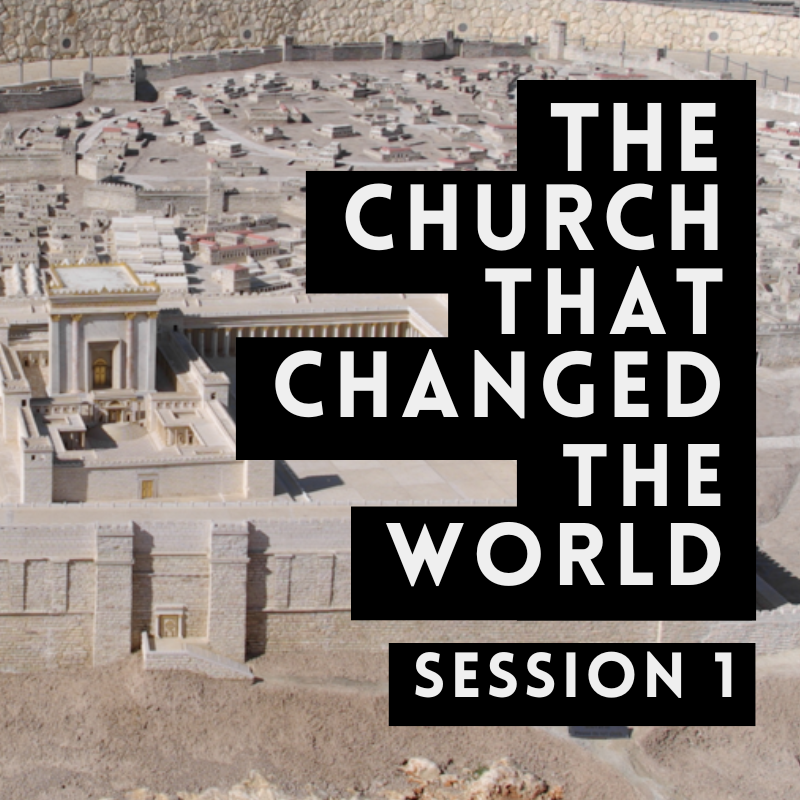
1 | The Church That Changed The World
The story opens with the risen Jesus ascending and the disciples waiting in that expectant, uncertain space between promise and fulfillment. Pentecost breaks in with power, transforming ordinary followers into bold witnesses. From Jerusalem outward, the gospel begins leaping across cultural and geographic boundaries. Persecution cannot stop it, and even Saul the persecutor becomes Paul the apostle. A movement that began with 120 believers becomes a Spirit-filled force that carries the hope of Christ into the world.
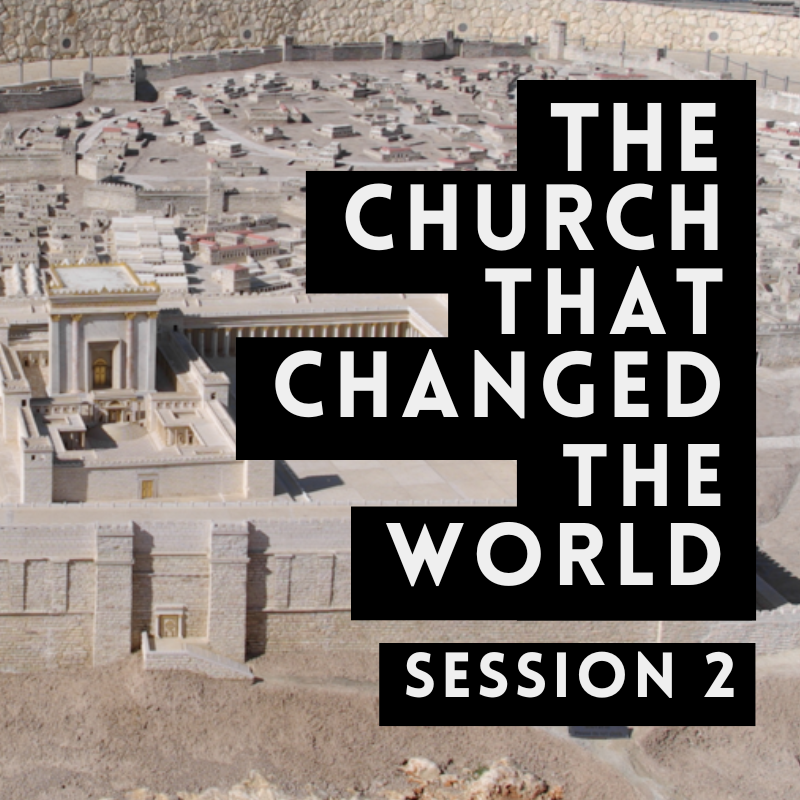
2 | The Church That Changed The World
The gospel reaches influential cities like Corinth and Ephesus, carried by leaders such as Paul, Aquila, Priscilla, and Apollos. Miracles, spiritual gifts, and transformed lives abound, but so do conflict, confusion, and moral failure. Paul writes to guide these young churches back to the heart of the gospel, calling them to unity, humility, and holiness. Even in the chaos of growth, God shapes His people into a community marked by grace and truth.
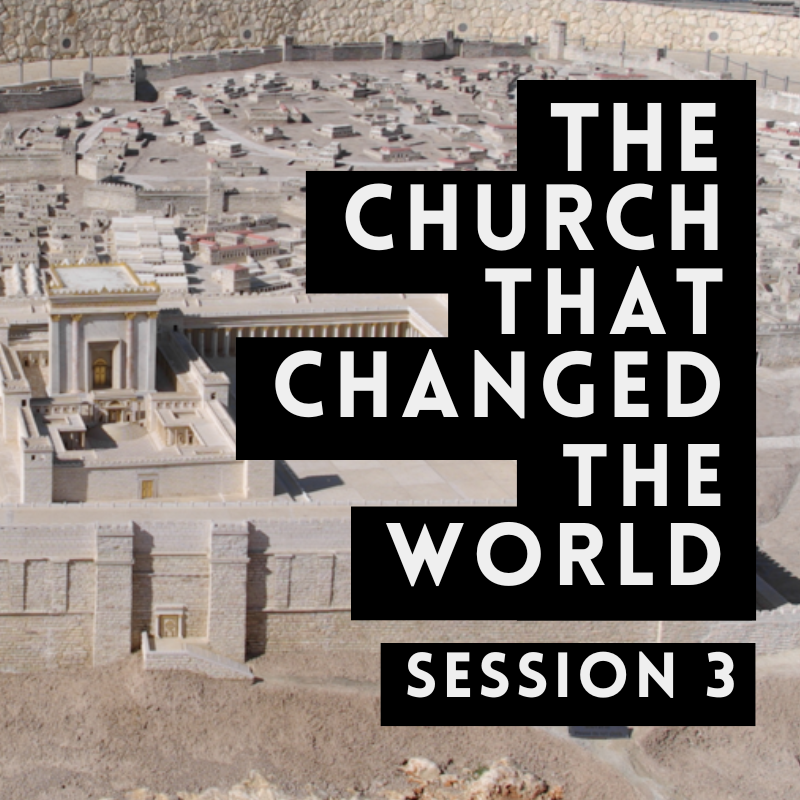
3 | The Church That Changed The World
Romans confronts both religious pride and moral brokenness with the same message: all have sinned, and all can be made righteous through faith in Christ. Paul lifts the church’s eyes to God’s sweeping plan of salvation, the power of the Spirit, and the transformed life that flows from grace. Jews and Gentiles alike find their place at the foot of the cross, discovering that the gospel dismantles division and rebuilds lives on the foundation of God’s mercy.
The Two Expressions of Tongues | Session 7
Exploring a spiritual gift that is often misunderstood. This session untangles the difference between tongues used privately in prayer and tongues given publicly for the strengthening of the church. Through Scripture and story, listeners see how each expression carries a unique purpose, how interpretation fits into God’s design, and how the Spirit uses this gift to deepen intimacy with the Father and build up the body of Christ.
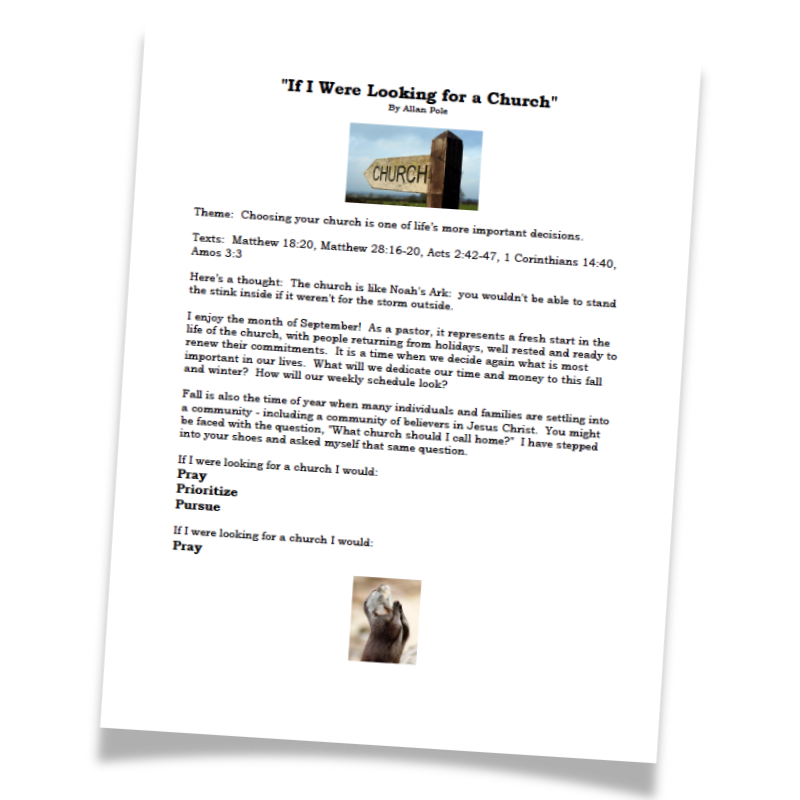
If I Were Looking for a Church
Choosing your church is one of life’s more important decisions.
Texts: Matthew 18:20, Matthew 28:16-20, Acts 2:42-47, 1 Corinthians 14:40, Amos 3:3
The 3 Stages: What Needs to be Done About This? | Session 8
The second stage of prophetic ministry: application.
Using the story of Joseph as a guide, participants learn how important it is to consider timing, audience, purpose, and motivation before sharing a prophetic word. The teaching shows how good revelation and interpretation can be undermined by poor application. Believers are encouraged to seek God for wisdom so that their response builds up others, honours God, and reflects maturity.

Rules for Christian Households | Colossians | Session 8
Paul’s teaching on the Christian household in Colossians 3:18–4:1 shows how the gospel reshapes the most ordinary and revealing parts of life. Mark walks through these verses by lifting them out of the cultural assumptions around authority and control and grounding them instead in Christ’s character—humility, sacrifice, and mutual honour. The session highlights how biblical submission is never about inferiority or passivity but about choosing, for the Lord’s sake, to trust God’s design rather than our own instincts. At the same time, husbands, parents, and leaders are called to embody Christlike gentleness and responsibility, refusing harshness, fear, or misuse of power. Together, these instructions offer a picture of a home and workplace ordered not by domination but by the transforming presence of Jesus—where every role becomes an act of worship and every relationship a place where the gospel takes root.
Final Greetings | Colossians | Session 9
Colossians closes with what looks like a simple list of greetings, but beneath it is a glimpse into how the kingdom advances—through ordinary people faithfully doing life and ministry together. Paul reminds us that the gospel is always expanding, and we each have a part in that, whether we’re praying, speaking with wisdom, or watching for openings that God creates. He also shows us the beauty of team: unlikely people, restored people, new leaders, seasoned leaders—all knit together for God’s purposes. And tucked inside his final words is a personal charge we all need to hear: see to it that you fulfill the ministry Jesus has given you. Not someone else’s calling—yours. Paul signs off with one last reminder of grace, and it’s the right place to end: everything God asks of us can only be lived by His grace at work in us.